Starting My Reading Habit with The Psychology of Money
Published:
I Started Reading Again After Years — Here’s What The Psychology of Money Taught Me About Investing Young
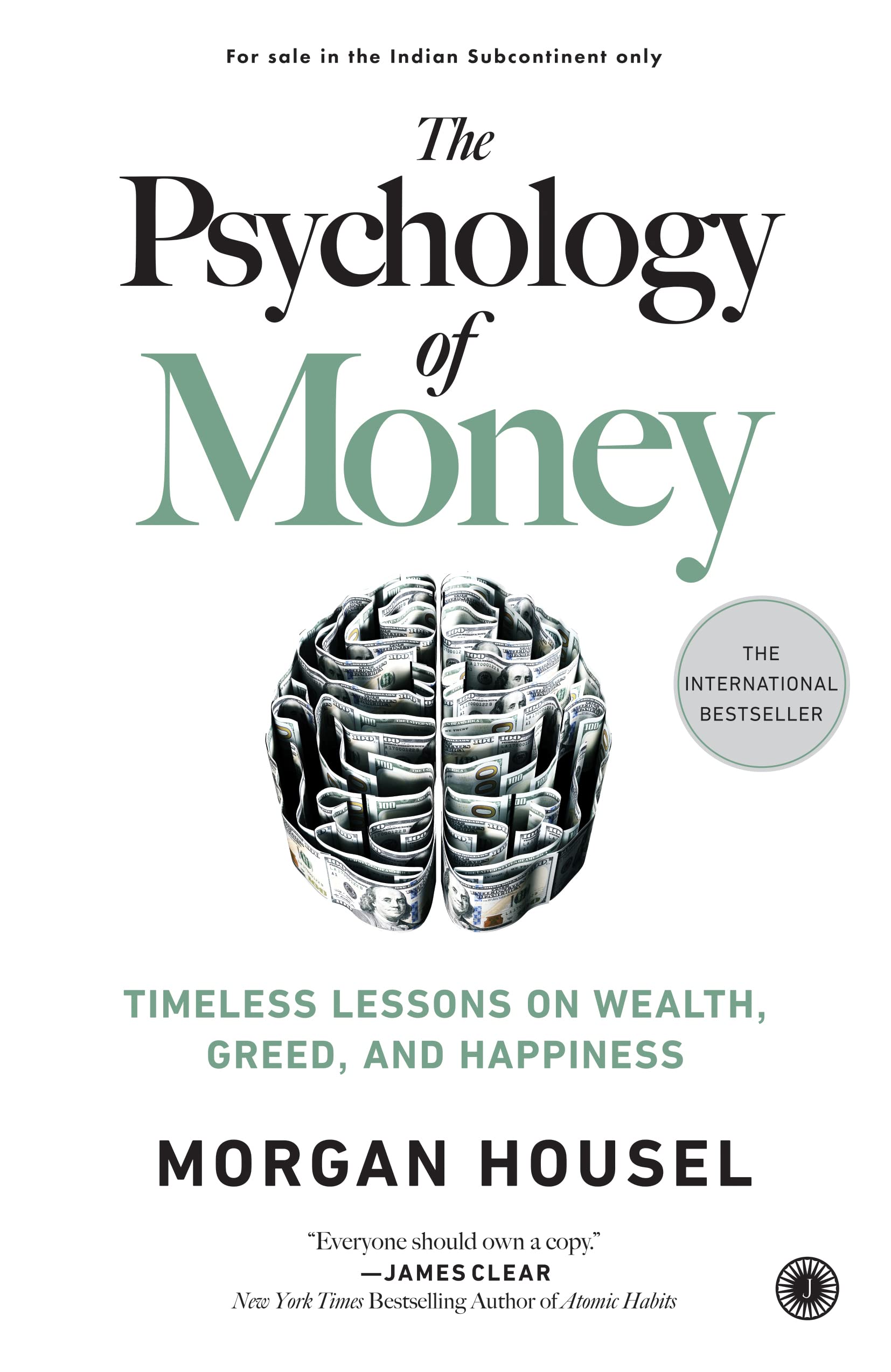
It’s been a long time since I read a book—like, really read a book. The last time I did, I was probably still a teenager, lost in some novel during high school. But recently, I’ve made a commitment to pick up reading again—this time, with a clearer purpose: to improve myself. This blog post is one of the first few reflections I’m writing after finishing a book, and it’s part of my journey of learning and self-growth. I’m currently focusing on personal development, especially around financial literacy. I decided to read The Psychology of Money by Morgan Housel because I want to better understand how to save, manage, and invest money with the right mindset.
Morgan Housel is a former columnist at The Motley Fool and The Wall Street Journal, and in The Psychology of Money, he writes about how our relationship with money isn’t purely rational—it’s deeply emotional and behavioral. Unlike most finance books, this one doesn’t throw complex formulas or investment strategies at you. Instead, it offers 19 short stories that explore how people think about money and the often irrational decisions we make. The beauty of Housel’s writing is how accessible and relatable it is—whether you’re a college student, a retiree, or someone just beginning to take money seriously.

The book shares many profound lessons—how luck and risk shape outcomes, why saving is more important than income, and how reasonable > rational when making money decisions. But if there’s one lesson that struck me most, it’s this: always leave room for error. In investing (and life), uncertainty is inevitable, and preparing for the unexpected can be the difference between staying afloat and going broke. That insight hit home, and it validated a decision I made when I was 18—to start investing early. I realized that I didn’t need to be an expert to start; I just needed to leave margin for mistakes, be patient, and stay consistent.
In conclusion, The Psychology of Money isn’t just a book about personal finance—it’s a reflection on human behavior. It helped me see that wealth is more about mindset than mechanics. Writing this blog post helped me process those lessons more deeply, and I hope it also inspires others to rethink how they view money. Whether you’re just getting started with your finances or looking for a mindset reset, I highly recommend giving this book a read.